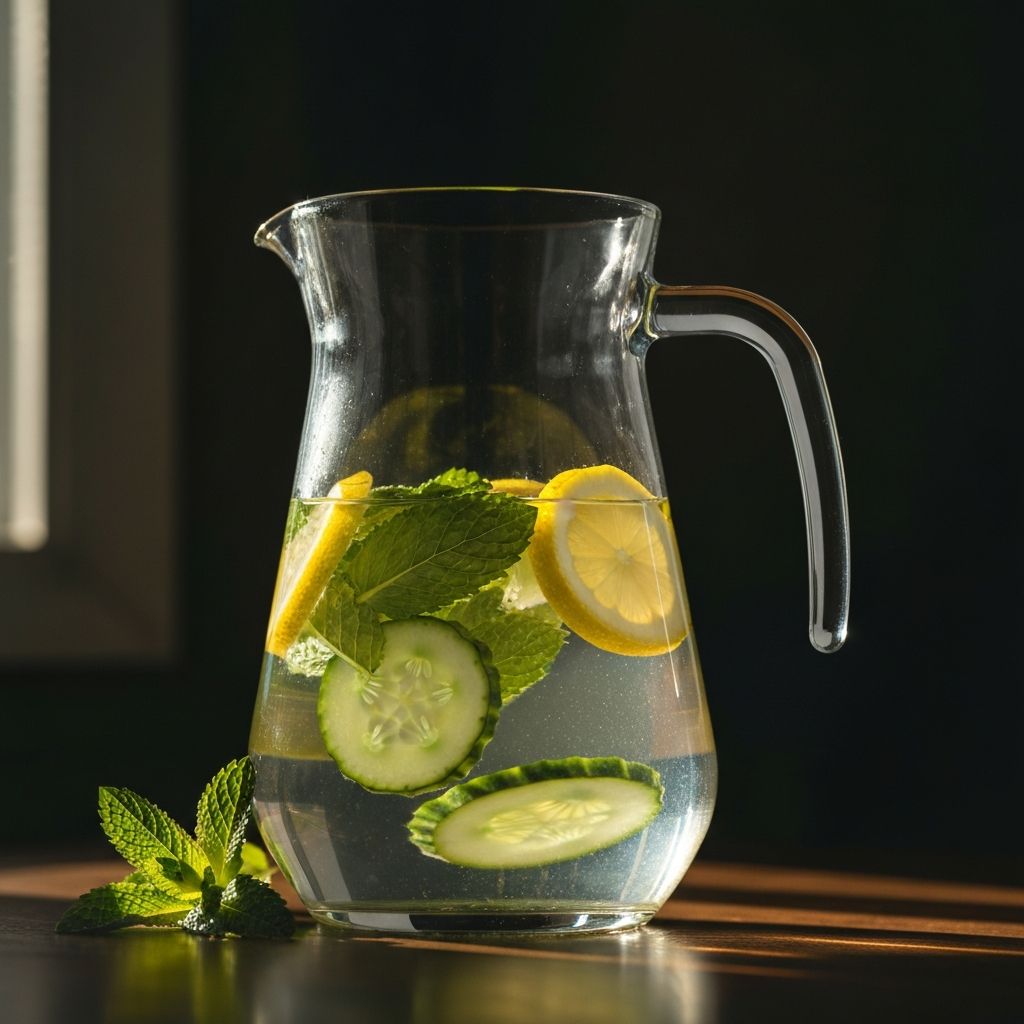
Hydration is commonly discussed as a matter of daily water intake, yet the physiology of fluid balance extends well beyond the glass on the table. The human body is approximately 60% water by weight, with this proportion varying by age, sex, and body composition. Understanding how fluids function within the body — and the range of factors that influence fluid equilibrium — forms a foundational aspect of nutritional science.
The Physiological Role of Water in the Body
Water participates in virtually every biological process. It acts as a solvent for biochemical reactions, a transport medium for nutrients and waste products, a lubricant for joints and mucosal surfaces, and a thermoregulatory agent through perspiration. Intracellular fluid (fluid within cells) and extracellular fluid (fluid surrounding cells and within the bloodstream) must remain in careful balance for normal cellular function.
Fluid is gained through direct consumption of water and other beverages, through moisture content in food, and as a metabolic by-product of macronutrient oxidation. Fluid is lost through urine, perspiration, exhalation, and through the gastrointestinal tract. Maintaining equilibrium between intake and output is central to physiological wellbeing.
Electrolytes and Fluid Regulation
Electrolytes are minerals that carry an electrical charge when dissolved in fluid. They are central to the regulation of fluid distribution between body compartments. Key electrolytes include sodium, potassium, chloride, magnesium, calcium, phosphate, and bicarbonate. Sodium, in particular, plays a primary role in extracellular fluid balance, whilst potassium is the principal intracellular cation.
The concentration of electrolytes on either side of a cell membrane influences osmotic pressure — the force that drives the movement of water across the membrane. When electrolyte balance is disturbed, fluid distribution is affected, which has implications for a wide range of physiological systems.
Inputs vs. Outputs
| Input Sources | Output Routes |
|---|---|
| Drinking water | Urine |
| Beverages (herbal teas, diluted juices) | Perspiration |
| Food moisture content | Exhalation |
| Metabolic water (oxidation) | Faeces |
Key Electrolytes
- Sodium — extracellular balance
- Potassium — intracellular balance
- Chloride — fluid and acid-base balance
- Magnesium — enzyme function
- Calcium — muscle and nerve signalling
- Phosphate — energy metabolism
- Bicarbonate — acid-base buffering
Fluid Sources Beyond Plain Water
Dietary fluid intake encompasses more than drinking water. Many foods — particularly fruits and vegetables — contain substantial moisture. Cucumbers, lettuce, celery, and watermelon, for example, are composed of more than 90% water by weight. Cooked grains and legumes also contribute meaningfully to fluid intake. Beverages such as herbal infusions, diluted fruit juices, and milk provide fluid alongside dissolved electrolytes and other nutrients.
The contribution of caffeinated beverages to fluid balance is a subject of ongoing scientific discussion. Moderate consumption of caffeinated drinks such as tea and coffee does contribute to daily fluid intake, though excessive caffeine intake has a mild diuretic effect at high doses. Nonetheless, habitual moderate consumers typically maintain adequate hydration from these sources.
Common Misconceptions About Hydration
Several widely held beliefs about hydration are not fully supported by physiological evidence and merit clarification in an educational context:
"You must drink exactly eight glasses of water per day."
Fluid needs vary considerably based on body size, activity level, ambient temperature, and dietary composition. There is no universally precise daily quantity; requirements differ between individuals and circumstances.
"Thirst is an unreliable indicator of hydration status."
In healthy adults under normal circumstances, thirst is a reasonably effective regulatory signal. Physiological research suggests it becomes less reliable under conditions of intense exercise or in older adults, where the thirst response may be somewhat blunted.
"All caffeine-containing beverages cause dehydration."
Caffeine has a mild diuretic effect at high doses, but moderate consumption — as is common with tea and coffee intake in the United Kingdom — still contributes net fluid to daily intake in habitual consumers who have developed a degree of physiological tolerance.
Indicators of Fluid Status
Several observable indicators are used in nutritional science and clinical contexts to assess hydration status. Urine colour is one of the most commonly referenced: pale straw-coloured urine is generally associated with adequate fluid status, whilst darker urine may indicate lower fluid levels. Additional indicators studied in research contexts include urine osmolality, body weight changes, and plasma osmolality measures.
Environmental and activity-related factors can substantially increase fluid requirements. Higher ambient temperatures, physical exertion, and certain physiological states all elevate perspiration rates and respiratory water loss, increasing the demand for fluid intake to maintain equilibrium.
This article is intended for general educational purposes and provides an overview of fluid balance concepts in nutritional science. It does not constitute personal dietary or health advice. For matters relating to hydration status or individual fluid requirements, consult a qualified healthcare professional.